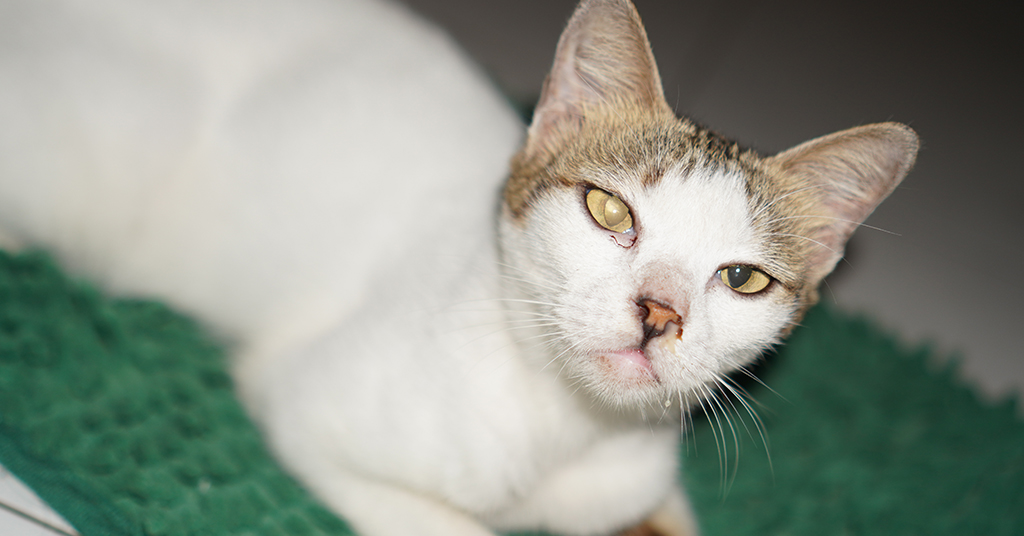
A little drooling can be normal for cats, especially when they’re relaxed, purring, or kneading on your lap. Heavy, sudden, or ongoing drooling, however, is not typical and often signals dental disease, nausea, mouth injuries, or exposure to something toxic. Unlike dogs, most cats don’t drool much at all, so the sight of a wet chin or damp fur can catch owners off guard. If you’ve found yourself asking, “Why is my cat drooling?” the answer depends on when it happens, how much saliva you see, and whether other changes come with it. At Minnieville Animal Hospital in Woodbridge, VA, we help cat owners figure out whether drooling is a harmless quirk or a reason for a closer look. Below, we explain the everyday reasons cats drool, the warning signs of abnormal drooling, how veterinarians track down the cause, and when it’s time to pick up the phone.
Why Is My Cat Drooling?
Several harmless situations can cause a cat to drool, and many of them are tied to emotion rather than illness.
Happy, Relaxed Drooling
Some cats drool when they’re deeply content. You might notice a few drops of saliva while your cat purrs, kneads a soft blanket, or settles in for a chin scratch. Many experts believe this behavior traces back to kittenhood, when nursing, kneading, and comfort were closely linked. If your cat has always drooled a bit during cuddle time and seems otherwise healthy, this is likely just part of their personality. For many owners, the question “Why is my cat drooling on me?” has a sweet answer: your cat simply feels safe and happy.
Everyday Triggers
When owners ask, “Why is my cat drooling all of a sudden?” the cause is sometimes simple and short-lived. Common harmless triggers include:
- Anticipating food: The smell of a favorite meal or treat can get saliva flowing
- Car rides and travel: Stress or motion sickness can cause temporary drooling
- Vet visits or new surroundings: Anxiety often shows up as panting, drooling, or hiding
- Bitter tastes: Licking something unpleasant, including some medications, can cause foaming or drooling
- Deep sleep: A relaxed jaw during a nap can lead to a small wet spot
How Normal Drooling Looks
Typical drooling is light, clear, and brief. It stops once your cat calms down, finishes eating, or leaves the stressful situation. Your cat should continue eating, grooming, and acting like their usual self. If you’re still wondering, “Why is my cat drooling when nothing seems to set it off?” that’s a sign the cause may go deeper.
Abnormal Drooling in Cats
Drooling that appears suddenly, keeps returning, or comes with other symptoms deserves attention. The medical term for excess saliva is ptyalism or hypersalivation, and it usually points to a problem in the mouth, throat, or digestive system.
Dental and Mouth Problems
If you’re asking “Why is my cat drooling more than usual?” the mouth is often the first place your veterinarian will look. Oral health issues are among the most common reasons behind abnormal drooling. Many adult cats develop some form of dental disease, and the discomfort can lead to extra saliva. Possible oral causes include:
- Gum inflammation (gingivitis) or advanced periodontal disease
- Tooth resorption, a painful condition where the tooth structure breaks down
- Stomatitis, a severe inflammation of the mouth tissues
- Broken teeth or abscesses
- Foreign objects, such as string, thread, or plant material, caught in the mouth or around the tongue
- Oral growths or tumors, more common in senior cats
Nausea and Illness
Sometimes the answer to “Why is my cat drooling?” has nothing to do with the mouth at all. Cats often drool when they feel nauseated. Kidney disease, liver disease, gastrointestinal upset, and hairball troubles can all bring on nausea. Upper respiratory infections, particularly calicivirus, can cause painful mouth ulcers that lead to drooling as well.
Toxins and Irritants
Exposure to toxic substances is one of the most urgent reasons a cat may drool. When owners call us asking “Why is my cat drooling so suddenly?” we always ask about recent access to plants and chemicals. Lilies, certain houseplants, household cleaners, essential oils, and some flea products intended for dogs can be dangerous to cats. Licking a toad or chewing on an electrical cord can also cause sudden, heavy drooling. If you suspect your cat has gotten into something harmful, contact your veterinarian or an animal poison control hotline right away.
How Do Veterinarians Find the Cause of Drooling?
Finding the answer to “Why is my cat drooling?” usually starts with a detailed history and a careful look inside the mouth. From there, your veterinarian decides which tests will provide the most useful information.
Sharing What You’ve Noticed
Your observations help guide the exam. Your veterinary team will likely ask when the drooling started, whether it’s constant or occasional, and whether your cat has had any possible exposure to plants, chemicals, or other animals. Changes in appetite, chewing habits, grooming, or litter box use are also important details to mention. A photo of the drool or wet fur, along with a short video of your cat eating, can offer additional clues.
The Oral and Physical Exam
Your veterinarian will examine your cat’s teeth, gums, tongue, and throat, looking for redness, swelling, ulcers, broken teeth, or anything stuck in the mouth. Because many cats resist having their mouths examined, especially when they’re sore, a thorough look sometimes requires sedation. The exam also includes checking body condition, hydration, and lymph nodes.
Diagnostic Testing
Depending on the findings, your veterinarian may recommend blood work and a urinalysis to check kidney and liver function, testing for viral infections, or dental X-rays to look below the gumline where many problems hide. In some cases, a biopsy of abnormal tissue or additional imaging may be suggested. Care is then tailored to the specific cause, whether that’s a dental procedure, management of an underlying illness, or another approach your veterinarian recommends. Please avoid giving your cat any medication at home without veterinary guidance, since many human products are toxic to cats.
When to Call the Vet About Cat Drooling
Light drooling during a purr session isn’t cause for concern, but certain situations call for prompt professional attention. Trust your instincts if something about your cat’s behavior seems off. If you keep asking yourself “Why is my cat drooling?” over several days, that alone is a good reason to book a visit.
Schedule an Appointment Soon
Plan a visit if the drooling lasts more than a day or two, keeps returning, or appears with any of the following signs:
- Bad breath or visible tartar on the teeth
- Pawing at the mouth or face
- Dropping food, chewing on one side, or reluctance to eat
- Blood-tinged or thick, ropey saliva
- A matted or unkempt coat from reduced grooming
- Weight loss or changes in thirst
Signs of an Emergency
Seek care immediately if heavy drooling starts suddenly, especially alongside vomiting, trembling, difficulty breathing, pale gums, collapse, or seizures. These signs may point to poisoning, a severe injury, or another serious problem. If you know or suspect your cat chewed on a lily or another toxic plant, don’t wait for symptoms to appear.
Why Early Visits Matter
Cats are skilled at hiding pain, so drooling may be one of the only outward signs that something hurts. Addressing dental disease and other issues early can help your cat stay comfortable and may prevent more involved care later.
Helping Your Drooling Cat Feel Their Best
The next time you catch yourself wondering, “Why is my cat drooling?” take a moment to look at the bigger picture. Occasional, clear drool during happy moments is usually harmless. Drooling that is new, heavy, persistent, or paired with changes in eating, grooming, or behavior is your cat’s way of signaling that something needs attention. Routine wellness exams and dental checkups are some of the best ways to catch problems before they become painful.
Minnieville Animal Hospital is ready to help you get answers. Our team will examine your cat’s mouth, discuss your observations, and recommend a plan that fits your pet’s needs. If you’re still asking yourself “Why is my cat drooling?” or you’ve noticed any of the warning signs above, call Minnieville Animal Hospital in Woodbridge, VA at (703) 680-4000 to schedule a visit today.