
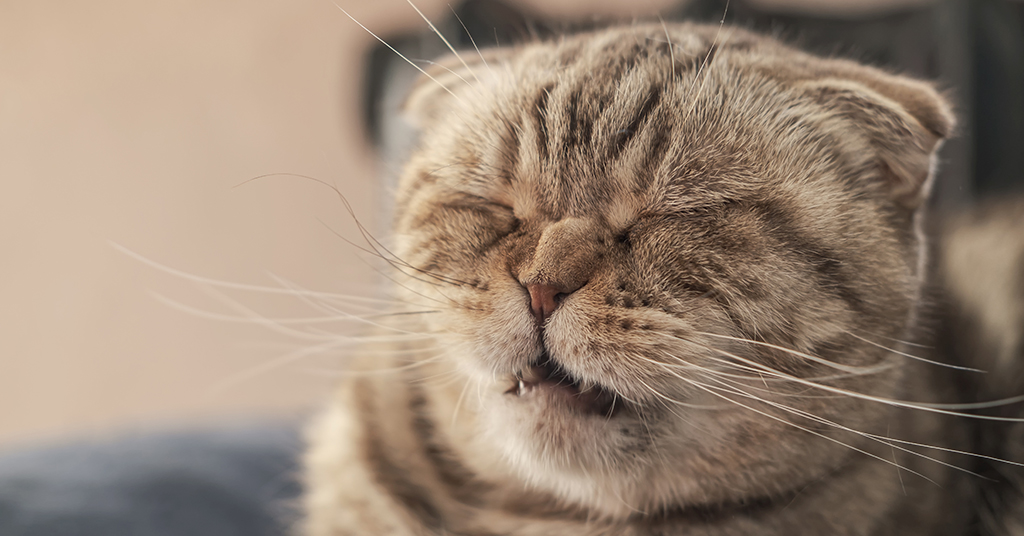
Cats sneeze for many of the same reasons people do, and an occasional sneeze is usually nothing to worry about. Dust, a whiff of perfume, or a tickle in the nose can all set off a quick sneeze or two. Frequent or persistent cat sneezing, however, may point to an upper respiratory infection, dental disease, allergies, or something lodged in the nasal passages. The key is paying attention to how often it happens and whether other symptoms come along with it. Because cats are experts at hiding illness, a sneeze is sometimes one of the first visible clues that something is off. At Minnieville Animal Hospital in Woodbridge, VA, we regularly help cat owners sort out whether a sneeze is just a sneeze or a sign that a closer look is needed. Below, we walk through how to recognize true sneezing, the most common causes, how veterinarians diagnose and manage the problem, and the warning signs that call for prompt care.
Is Your Cat Actually Sneezing?
Before figuring out the cause, it helps to confirm that what you’re seeing is truly a sneeze. Several feline behaviors look or sound similar, and each one points in a different direction.
What a Typical Sneeze Looks Like
A true sneeze is a sudden, forceful burst of air pushed out through the nose and mouth. Your cat may squint, lower the head slightly, and sneeze once or in a short series. Afterward, most cats return to whatever they were doing, sometimes with a quick lick of the nose. Occasional cat sneezing like this, with no other symptoms, is generally considered normal.
Sounds That Are Easy to Confuse
Owners sometimes mistake other noises for cat sneezing. Each of these has its own pattern:
- Coughing: Often involves a crouched posture with the neck stretched low toward the floor, and may signal airway or lung concerns such as feline asthma
- Hairball hacking: A rhythmic retching sound that usually ends with a hairball or bit of fluid
- Reverse sneezing: Rapid, noisy inhalations through the nose, which is less common in cats than in dogs
- Snoring or snorting: Noisy breathing while resting, more frequent in flat-faced breeds like Persians and Himalayans
- Wheezing: A whistling sound during breathing that deserves a prompt veterinary visit
Why a Quick Video Helps
Cats rarely perform on command at the clinic. Recording a short clip on your phone gives your veterinarian a clear view of the sound, posture, and frequency, which can speed up the process of narrowing down the cause. Try to capture a few seconds before and after the episode, too, since what your cat was doing beforehand can offer useful clues about what triggers the cat sneezing.
What Causes Cat Sneezing?
Cat sneezing can stem from something as minor as household dust or as significant as a chronic infection. Understanding the range of possibilities helps you know what details to watch for at home.
Upper Respiratory Infections
Upper respiratory infections are the most common cause of persistent sneezing in cats. Feline herpesvirus and feline calicivirus account for most cases, and bacterial infections such as Bordetella, Chlamydia, and Mycoplasma can also play a role. Along with cat sneezing, you may notice runny eyes, nasal congestion, or a stuffy-sounding meow. These illnesses spread easily in shelters, boarding facilities, and multi-cat homes. Many cats who contract herpesvirus carry it for life, and flare-ups can return during times of stress, which explains why some cats sneeze again after a move, a new pet, or a change in routine.
Irritants and Allergies
Airborne irritants frequently trigger short bursts of cat sneezing. Scented litter, cigarette smoke, candles, cleaning sprays, and dust from carpets or vents can all tickle sensitive feline noses. True allergies to pollen or mold are less common in cats than in people, but they do happen, and Northern Virginia’s long pollen seasons can make them more noticeable.
Other Possible Causes
When the usual suspects don’t fit, your veterinarian will consider other explanations, including:
- Dental disease, especially infected upper tooth roots that sit close to the nasal passages
- Foreign objects such as grass blades or small fibers inhaled into the nose
- Chronic rhinitis or sinusitis, often following earlier infections
- Nasal polyps, which are more common in younger cats
- Fungal infections or, less commonly, nasal tumors in older cats
- A temporary reaction after receiving an intranasal vaccine
How Do Veterinarians Diagnose and Treat Cat Sneezing?
Finding the reason behind cat sneezing starts with a conversation about your cat’s history and a thorough physical exam. From there, your veterinarian builds a plan around the specific cause.
The Exam and Your Cat’s History
Your veterinarian will ask when the sneezing began, how often it happens, whether your cat has been around other cats recently, and whether you’ve noticed any changes in eating, energy, or litter box habits. The exam typically includes checking the eyes, nose, mouth, teeth, throat, and lymph nodes, as well as listening to the heart and lungs.
Diagnostic Testing
Cats with mild, short-lived sneezing often need nothing more than an exam. For persistent or recurring cases, testing may include swabs of the eyes or nose to identify specific viruses or bacteria, blood work, and testing for feline leukemia virus or feline immunodeficiency virus. Dental X-rays can uncover hidden tooth root problems. If those results don’t explain the sneezing, your veterinarian may recommend skull imaging.
Treatment Tailored to the Cause
There’s no single treatment for cat sneezing because care depends entirely on the underlying problem. Mild viral infections often run their course with supportive care directed by your veterinarian. Bacterial infections, dental disease, polyps, and foreign objects each require their own approach, which may involve prescription medication, a dental procedure, or a minor surgical procedure. Over-the-counter human cold and allergy products can be dangerous for cats, so please don’t give any medication without your veterinarian’s approval. Reducing environmental irritants, such as switching to an unscented, low-dust litter, may also be part of the plan.
When Should You Be Concerned About Cat Sneezing?
An occasional sneeze in an otherwise playful, hungry cat is rarely cause for alarm. Ongoing sneezing or sneezing paired with other changes, though, deserves professional attention.
Signs That Warrant a Veterinary Visit
Schedule an appointment if your cat’s sneezing lasts more than a few days, keeps coming back, or appears alongside any of the following:
- Yellow, green, thick, or bloody nasal discharge
- Watery, squinting, or red eyes
- Reduced appetite or refusal to eat
- Lethargy, hiding, or unusual behavior
- Fever, swelling on the face, or bad breath
- Drooling or sores in the mouth
When It Can’t Wait
Seek care right away if your cat is breathing with an open mouth, struggling to breathe, has pale or bluish gums, or has stopped eating for more than a day. Cats who go without food can develop serious liver problems quickly, so appetite changes should never be dismissed.
Cats at Higher Risk
Some cats need closer monitoring when cat sneezing starts. Kittens, senior cats, unvaccinated cats, and cats with weakened immune systems can become sick more quickly from respiratory illness. Flat-faced breeds may also struggle more with congestion. If your cat falls into one of these groups, it’s wise to call sooner rather than later.
Getting Answers for Your Sneezing Cat in Woodbridge
Most cat sneezing is short-lived and harmless, but persistent sneezes, nasal discharge, or changes in appetite and energy are your cat’s way of telling you something needs attention. Tracking how often the cat sneezing happens, noting any other symptoms, and capturing a short video can make your veterinary visit far more productive. Staying current on vaccines and limiting exposure to irritants at home can also lower the odds of respiratory trouble.
Our caring team at Minnieville Animal Hospital is equipped to help your cat breathe easier. We’ll take the time to examine your pet, listen to your concerns, and recommend next steps that make sense for your cat’s age and health history. Whether your cat has a brand-new sneeze or an ongoing problem, Minnieville Animal Hospital welcomes cat owners from Woodbridge and the surrounding communities. Call (703) 680-4000 today to book an appointment.