Dog panting is usually normal, since it’s the main way dogs cool themselves down after exercise, play, or time in warm weather. However, panting that is excessive, happens at rest, or appears with other symptoms can signal pain, anxiety, heatstroke, or an underlying medical condition. Because dogs sweat only a small amount through their paw pads, they rely on rapid, open-mouth breathing to release heat. That makes some panting a completely healthy part of daily life. The challenge for owners is knowing when dog panting has crossed the line from normal to worrisome. At Minnieville Animal Hospital in Woodbridge, VA, we can explain why dogs pant, how to recognize panting that seems off, the most common reasons behind heavy breathing, and what steps to take when your dog’s panting has you concerned.
Why Does a Dog Pant?
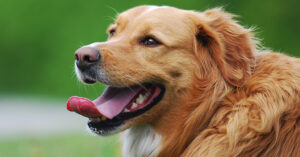
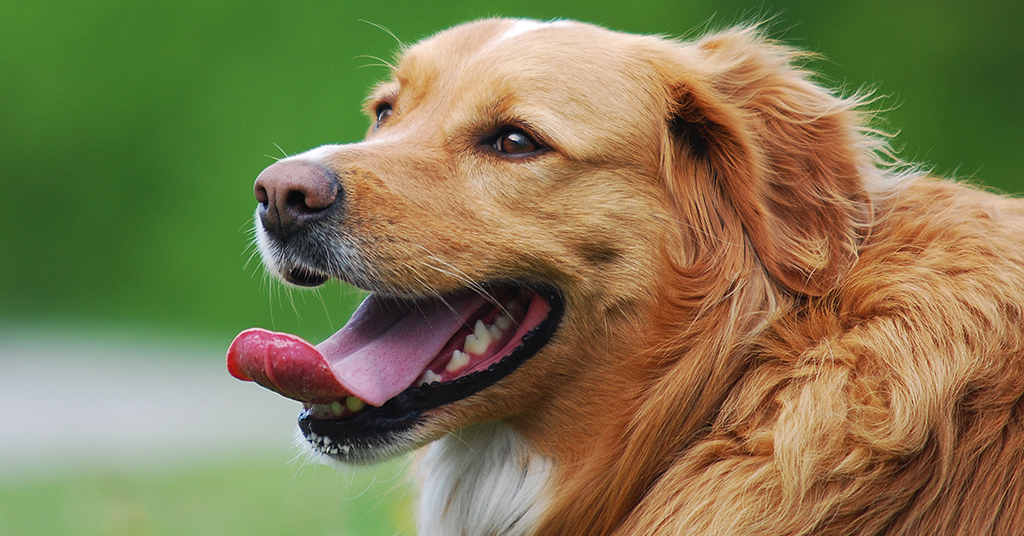
Panting is a built-in cooling system. When a dog breathes quickly with an open mouth, moisture evaporates from the tongue, mouth, and upper airways, carrying heat away from the body.
Temperature Control
Unlike people, dogs can’t cool off by sweating across their skin. Instead, dog panting moves large amounts of air across moist surfaces, which helps lower body temperature. This is why your pup pants after a game of fetch, a brisk walk, or a sunny afternoon in the backyard. Once your dog rests in a cool spot, breathing should gradually return to normal within several minutes.
Emotional Panting
Feelings can trigger panting too. Excitement over a visitor, anticipation before a walk, or the thrill of a car ride can all speed up your dog’s breathing. On the other end of the spectrum, stress and fear can cause panting as well. Thunderstorms, fireworks, vet visits, and separation from family members are common triggers.
Emotional dog panting often comes with other body language clues. A dog panting from excitement usually has a loose, wiggly body and bright, engaged eyes. A dog panting from stress may tuck the tail, pin the ears back, lick the lips, yawn repeatedly, or show the whites of the eyes. Reading these signals together helps you understand what your dog is feeling.
Breed and Body Type
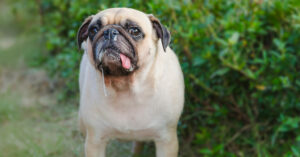
Some dogs simply pant more than others. Brachycephalic, or flat-faced, breeds such as Pugs, Bulldogs, Boston Terriers, and Shih Tzus have shortened airways that make cooling less efficient. Dogs with thick double coats, like Huskies and Bernese Mountain Dogs, may also pant sooner in warm weather. Overweight dogs tend to pant more because extra weight makes breathing and cooling harder.
Normal Panting vs. Signs of Distress
Healthy dog panting has a clear cause and settles down once that cause goes away. Abnormal panting tends to look different, sound different, or show up at unexpected times.
What Normal Panting Looks Like
Normal panting is rhythmic and relaxed. Your dog’s mouth is open, the tongue may hang out, and the breathing slows after rest, water, and shade. Your dog remains alert, responsive, and interested in surroundings.
Red Flags to Watch For
Panting may point to a problem when you notice any of the following:
- Heavy breathing while resting in a cool room
- Panting that starts suddenly without exercise, heat, or excitement
- Loud, raspy, or noisy breathing sounds
- Gums or tongue that look pale, blue, gray, or bright brick red
- Panting paired with restlessness, pacing, or inability to settle
- Breathing that seems to take extra effort from the belly or chest
Paying Attention to Patterns
Changes over time can be just as important as a single episode. If your senior dog has started panting more at night, or your dog seems winded after shorter walks than usual, these subtle shifts are worth mentioning to your veterinarian. Keeping a simple log of when the dog panting occurs can reveal patterns that help your veterinary team.
Why Is My Dog Panting So Much?
When dog panting seems excessive, the cause can range from a stressful afternoon to a medical condition that needs ongoing management. Here are some of the most common explanations.
Heat and Overexertion
Heatstroke is one of the most dangerous reasons for heavy panting. Hot cars, humid days, and intense exercise without breaks can cause a dog’s body temperature to rise faster than panting can bring it down. Warning signs include frantic panting, thick drool, vomiting, stumbling, and weakness. Heatstroke is a true emergency.
Pain and Anxiety
Dogs often hide pain, and panting may be one of the few outward clues. Arthritis, injuries, dental pain, and abdominal discomfort can all cause increased breathing. Anxiety from noise phobias, travel, or changes in routine can produce similar panting, often along with trembling, hiding, or pacing.
Older dogs may also pant more as they age. Cognitive changes, reduced mobility, and age-related conditions can all play a role. If your senior dog’s panting has increased, a wellness exam can help sort out whether discomfort, illness, or simple aging is the cause. Your veterinarian can also discuss pain management and anxiety support options tailored to your dog.
Medical Conditions
Several health problems can lead to excessive dog panting, including:
- Cushing’s disease: A hormonal condition common in middle-aged and older dogs, often paired with increased thirst and appetite
- Heart disease: Reduced heart function can make breathing harder, especially at rest
- Respiratory problems: Pneumonia, laryngeal paralysis, and collapsing trachea affect airflow
- Anemia: Low red blood cell counts reduce oxygen delivery throughout the body
- Medication side effects: Certain prescriptions, such as steroids, can increase panting
- Bloat (GDV): A life-threatening emergency that often causes panting, retching, and a swollen belly
Only a veterinary exam can determine which of these, if any, is behind your dog’s breathing changes.
What to Do if Your Dog Is Panting Heavily
Your response depends on how severe the panting is and what else you’re seeing. Staying calm and observant helps you make a clear decision.
Assess the Situation
Start by thinking about what your dog was just doing. If the panting followed play or warm weather, stop the activity, move your dog into shade or air conditioning, and offer fresh water. Normal panting should ease within a few minutes of rest. If it doesn’t, or if it seems to be getting worse, it’s time to contact your veterinarian.
When It’s an Emergency
Call your veterinarian or the nearest emergency animal hospital right away if heavy dog panting comes with collapse, confusion, vomiting, a swollen abdomen, unproductive retching, or blue, gray, or very pale gums. If you suspect heatstroke, call ahead while you’re on your way so the team can prepare. Quick action makes a meaningful difference in these situations.
When to Schedule an Appointment
For panting that is new, more frequent, or happening at rest but without emergency signs, book a visit soon. Bring notes on when the panting happens, any changes in thirst, appetite, or energy, and a short video of a typical episode. Your veterinarian may recommend a physical exam, blood work, chest X-rays, or other tests to pinpoint the cause and build a care plan that fits your dog.
Avoid Guesswork at Home
Never give your dog human pain relievers or anxiety medications to calm panting. Many common human drugs are toxic to dogs, and masking symptoms can delay an accurate diagnosis.
Helping Your Dog Breathe Easy in Woodbridge
Most dog panting is a healthy, natural response to heat, exercise, and excitement. Knowing your dog’s normal breathing patterns gives you a reliable baseline, which makes unusual changes easier to spot. Panting at rest, panting that won’t settle, or panting paired with other symptoms is your dog’s way of asking for help, and it deserves a professional evaluation.
If something about your dog’s breathing doesn’t seem right, our team at Minnieville Animal Hospital is here for you. We’ll listen to your concerns, perform a thorough exam, and recommend next steps tailored to your pet’s age, breed, and health. Pet owners throughout Woodbridge and nearby communities rely on Minnieville Animal Hospital for attentive, compassionate care. Call (703) 680-4000 to schedule an appointment today.