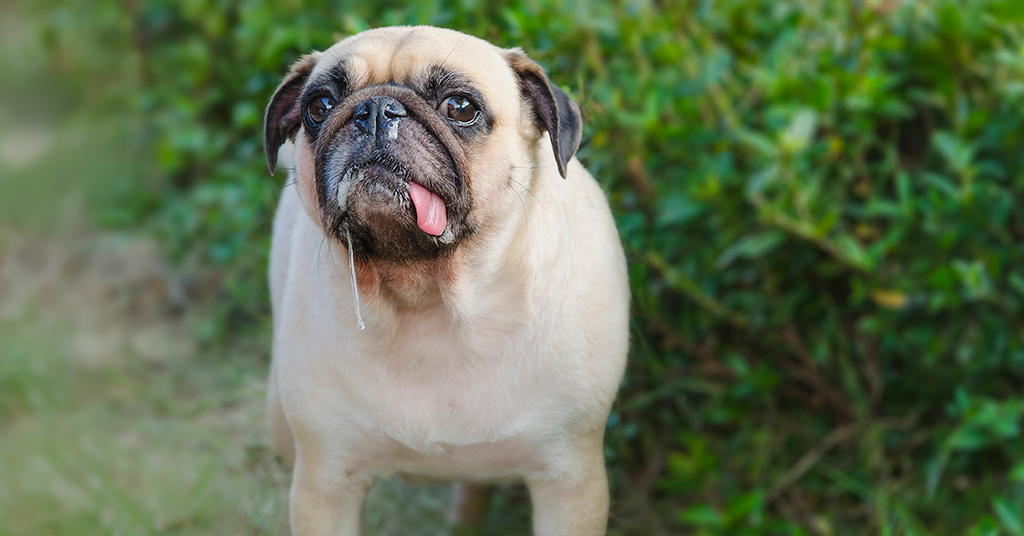
Dogs drool more than usual for many reasons, from smelling dinner to dental disease, nausea, heat, or swallowing something they shouldn’t. Some breeds naturally drool a lot, but a sudden increase in saliva often signals that something has changed. If you’ve found yourself wiping puddles off the floor and wondering, “Why is my dog drooling so much?” you’re asking the right question. Drooling is your dog’s way of communicating, and the context around it tells the real story. A Saint Bernard with a damp chin after a drink of water is very different from a Beagle who suddenly can’t stop slobbering. At Minnieville Animal Hospital in Woodbridge, VA, we help families sort out normal slobber from saliva that needs attention. This guide covers why dogs drool in the first place, eight common causes of excessive drooling, emergency warning signs, how veterinarians get to the bottom of it, and practical ways to support your pet’s health.
Why Do Dogs Drool?
Saliva plays an important role in every dog’s health. It moistens food, begins the digestive process, and helps keep the mouth clean.
Normal Drooling Triggers
Most dogs drool at least occasionally. The smell of food, the crinkle of a treat bag, or watching you prepare dinner can all get the salivary glands working. Excitement before a walk or after greeting a favorite person may also bring on a little extra slobber. These episodes are brief and fade once the moment passes.
Breeds That Drool More
Some dogs are simply built to drool. Breeds with loose lips and jowls, such as Mastiffs, Saint Bernards, Newfoundlands, Bloodhounds, Boxers, and Bulldogs, can’t hold saliva in their mouths as easily. For these dogs, a constant bit of drool is a normal part of life. The key is knowing your own dog’s baseline. If you live with a naturally drooly breed and still find yourself asking “Why is my dog drooling so much more than usual?” that change is worth noting.
Why Is My Dog Drooling So Much? 8 Common Reasons
When owners ask us why their dog drooling is so much all of a sudden, one of these causes is often behind it. Some are harmless, while others need prompt veterinary care.
1. Dental Disease
Tartar buildup, gum inflammation, broken teeth, and tooth root abscesses are among the most common reasons for excess saliva. Bad breath, red gums, or reluctance to chew hard food often accompany dental-related drooling. For many adult dogs, the mouth is the first place to look when you wonder “Why is my dog drooling so much?”
2. Foreign Objects in the Mouth or Throat
Curious dogs, especially puppies and enthusiastic chewers, often find themselves in trouble here. Sticks, bone fragments, toy pieces, and splinters can wedge between teeth, across the roof of the mouth, or in the throat. Dogs with something stuck often paw at the face, gag, or drool heavily.
3. Nausea and Upset Stomach
If you’re puzzling over why your dog is drooling so much right after a meal or a car ride, nausea may be the culprit. Dogs often drool before vomiting. Dietary indiscretion, motion sickness during car rides, and gastrointestinal illness can all cause nausea-related drooling, sometimes paired with lip licking and swallowing.
4. Toxin Exposure
Certain plants, household chemicals, medications, and even toads can trigger heavy drooling. In Northern Virginia, dogs that mouth toads in the backyard during warm months may drool or foam suddenly.
5. Heatstroke
Thick, ropey drool combined with heavy panting can be an early sign of overheating, especially on hot, humid days. Flat-faced breeds, overweight dogs, seniors, and dogs with thick coats are at higher risk. Heatstroke can progress quickly, so drooling after outdoor activity in the heat should never be brushed off.
6. Anxiety and Stress
Thunderstorms, fireworks, travel, and vet visits can all bring on stress drooling, often with pacing, trembling, or panting. If you notice the question “Why is my dog drooling so much?” comes up mainly during car rides or storms, anxiety or motion sickness may be the answer. Your veterinarian can discuss behavior support options.
7. Oral Injuries and Growths
Cuts, burns from chewing electrical cords, and oral tumors can cause discomfort and extra saliva, particularly in older dogs. You may also notice bleeding, a lump on the gums, or a change in how your dog eats.
8. Underlying Medical Conditions
Sometimes the answer to “Why is my dog drooling so much?” lies beyond the mouth entirely. Liver disease, kidney disease, neurological problems, and esophageal disorders can affect swallowing or cause nausea, both of which may increase drooling. Rabies is rare in vaccinated dogs but remains a reason Virginia law requires keeping rabies vaccines current.
Is Excessive Drooling in Dogs an Emergency?
Excessive drooling isn’t always an emergency, but certain combinations of symptoms call for immediate care. Paying attention to the full picture helps you decide how quickly to act.
Seek Emergency Care Right Away If You Notice
Contact your veterinarian or the nearest emergency animal hospital immediately if heavy drooling appears with any of these signs:
- Difficulty breathing, choking, or repeated gagging
- Unproductive retching with a swollen or tight belly, which may indicate bloat
- Collapse, weakness, stumbling, or seizures
- Known or suspected contact with a toxin, toad, or poisonous plant
- Bright red, pale, or blue-tinged gums
- Signs of overheating after time outdoors or in a car
Schedule a Prompt Appointment If
If your dog is otherwise acting normally but you keep wondering “Why is my dog drooling so much lately?” book a visit within a day or two. Drooling that lasts more than a day, comes and goes repeatedly, or appears with bad breath, decreased appetite, facial swelling, or pawing at the mouth deserves a professional exam. Bringing notes on when it started and anything your dog may have chewed or eaten can speed up the process.
Trust What You Know About Your Dog
You know your dog’s habits better than anyone, and that knowledge is valuable when you’re trying to figure out why your dog is drooling so much today. If the drooling simply looks different from what you’re used to, that instinct is a valid reason to call.
How Veterinarians Diagnose and Treat Excessive Drooling
Answering “Why is my dog drooling so much?” starts with a careful history and a hands-on exam. Your veterinarian looks for the source of the extra saliva and then builds a care plan around it.
The Diagnostic Process
Your veterinary team will ask about your dog’s diet, recent activities, possible exposure to toxins, and any other changes you’ve noticed. A thorough oral exam checks the teeth, gums, tongue, roof of the mouth, and throat for injuries, foreign objects, or growths. Depending on what the exam reveals, your veterinarian may recommend:
- Blood work and urinalysis to evaluate organ function
- Dental X-rays to look for problems hidden below the gumline
- Sedation for a more complete look inside the mouth and throat
- Chest or abdominal X-rays or ultrasound if swallowing or digestive issues are suspected
- A biopsy of any unusual tissue or growth
Treatment Based on the Cause
There’s no single treatment for drooling because the right approach depends entirely on what’s causing it. Dental disease may call for a professional cleaning or extractions. Foreign objects may need to be removed under sedation. Nausea, anxiety, toxin exposure, and medical conditions each require their own care plan, which your veterinarian will tailor to your dog. Please don’t give human medications or home remedies to stop drooling, as many are unsafe for dogs and may hide important symptoms.
Preventing Excessive Drooling and Protecting Your Dog’s Health
While you can’t stop a Mastiff from drooling, you can lower the odds that a new health problem causes extra slobber. Regular dental care, including annual professional cleanings and an at-home routine your veterinarian recommends, keeps oral problems in check. Supervise chewing, choose durable toys, and keep plants, chemicals, and medications out of reach. During Woodbridge summers, limit outdoor exercise during the hottest hours and never leave your dog in a parked car.
If you’re still asking yourself, “Why is my dog drooling so much?” our team at Minnieville Animal Hospital is ready to help. We’ll examine your pet, identify the cause, and recommend next steps that fit your dog’s needs. Call Minnieville Animal Hospital at (703) 680-4000 to schedule a visit.