Reverse sneezing is a sudden, noisy episode where a dog rapidly pulls air in through the nose instead of pushing it out, and it is usually harmless. Most episodes last less than a minute and end on their own. Still, the first time you see a reverse sneezing dog, the loud honking or snorting sound can be genuinely alarming. Many owners worry their pet is choking or struggling to breathe. The good news is that occasional episodes are common, especially in small breeds and dogs with shorter snouts. That said, frequent or worsening episodes can point to an underlying issue that deserves a closer look. At Minnieville Animal Hospital in Woodbridge, VA, we often help families tell the difference between a quirky habit and a sign that something needs attention. This guide explains what reverse sneezing is, what triggers it, how veterinarians diagnose it, and what care options may be available.
What Is Reverse Sneezing in Dogs?
Reverse sneezing, known medically as paroxysmal respiration or the pharyngeal gag reflex, is a spasm of the soft palate and throat area. Instead of air rushing out like a normal sneeze, it rushes inward in quick, forceful bursts. Many owners who search for “reverse sneezing dog” information are surprised to learn how common this reflex is.
What an Episode Looks and Sounds Like
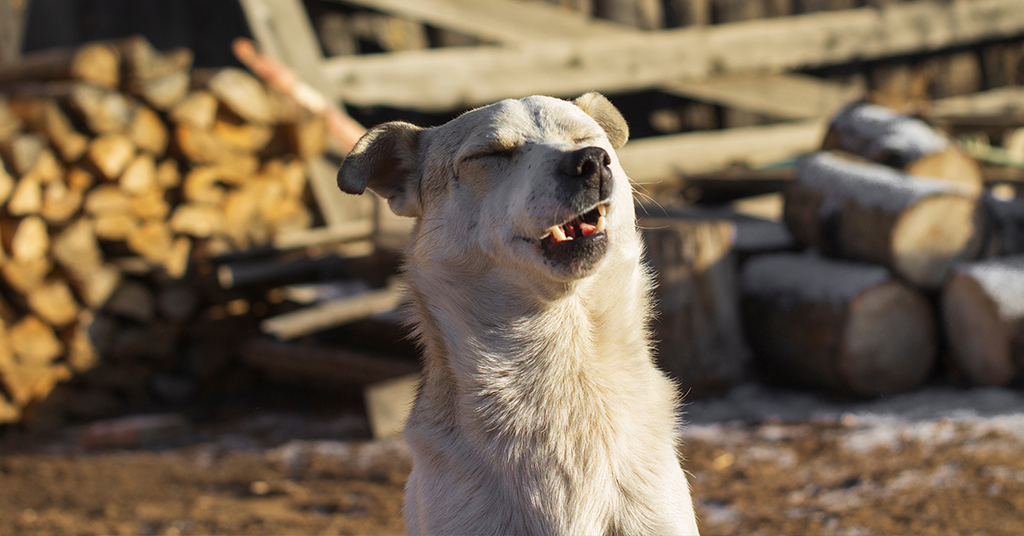
A reverse sneezing dog often looks a little dramatic in the moment. The sound is typically described as a goose-like honk, a loud snort, or a gagging snore. During an episode, you may notice that your dog:
- Stands still with elbows spread outward and head extended forward
- Makes repeated, rapid inhalations through the nose
- Has wide eyes or appears momentarily startled
- Stretches the neck while the chest expands with each breath
- Returns to normal breathing and activity right after the spell ends
How It Differs From Other Breathing Sounds
Reverse sneezing can resemble several other conditions, which is why it causes so much confusion. Coughing pushes air out, often with a hacking quality. Choking usually involves pawing at the mouth, drooling, or distress that doesn’t resolve quickly. Collapsing trachea, more common in toy breeds, often produces a dry, honking cough that may worsen with excitement or pressure on the neck. Because a reverse sneezing dog can sound so similar to a pet with other airway problems, a short video of the episode can be extremely helpful for your veterinarian.
Which Dogs Experience It Most
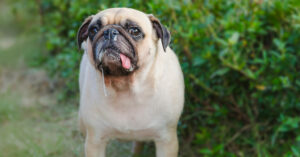
Any dog can reverse sneeze, but small breeds such as Chihuahuas, Yorkshire Terriers, Pomeranians, and Beagles show it frequently. Brachycephalic breeds, including Pugs, Shih Tzus, and Bulldogs, are also prone because their elongated soft palates can be more easily irritated. A reverse sneezing dog of any size, though, may simply have a sensitive throat.
What Causes a Reverse Sneeze?
Anything that irritates the nose, sinuses, or back of the throat can set off a reverse sneezing episode. In many cases, the trigger is minor and passes quickly.
Everyday Triggers
Plenty of ordinary moments can bring on a spell. Common culprits behind a reverse sneezing dog episode include:
- Excitement: Greeting visitors, playing hard, or anticipating a walk
- Pulling on the leash: Pressure from a collar against the throat
- Eating or drinking quickly: Gulping food or water too fast
- Environmental irritants: Perfume, household cleaners, smoke, dust, or air fresheners
- Seasonal allergens: Pollen, mold spores, and grass, which are plentiful in Northern Virginia during spring and fall
- Sudden temperature changes: Moving from warm indoor air to cold outdoor air
Underlying Health Conditions
When a reverse sneezing dog has frequent or intense episodes, the cause may go beyond simple irritation. Nasal mites, upper respiratory infections, and inflammation of the nasal passages can all contribute. Foreign objects such as grass awns or seeds lodged in the nose may also trigger repeated spells, often alongside pawing at the face or a one-sided nasal discharge. In less common cases, nasal polyps or masses may be involved, particularly in older dogs.
Anatomy Plays a Role
Anatomy also helps explain why one reverse sneezing dog may have spells far more often than another. A dog’s facial structure influences how easily the soft palate becomes irritated. Flat-faced breeds often have extra tissue in the back of the throat, which makes spasms more likely. This is one reason brachycephalic dogs may reverse sneeze more often than their longer-nosed counterparts.
How Do Veterinarians Diagnose Reverse Sneezing?
Diagnosis usually begins with your description of the episodes and a hands-on physical exam. Since dogs rarely reverse sneeze on cue at the clinic, the information you bring matters a great deal.
Your Observations Make a Difference
The more details you can share about your reverse sneezing dog, the clearer the picture becomes for your veterinarian. Before your appointment, consider noting:
- How often episodes happen and how long each one lasts
- What your dog was doing right before a spell started
- Whether episodes are increasing in frequency or intensity
- Any other signs, such as nasal discharge, nosebleeds, sneezing, coughing, or reduced appetite
- A smartphone video recording of a typical episode
The Physical Exam
Your veterinarian will listen to your dog’s heart and lungs, examine the nose, mouth, and throat, and check for signs of allergies, infection, or dental disease. An exam helps rule out conditions that mimic a reverse sneeze, such as tracheal collapse, kennel cough, or heart-related coughing.
When Additional Testing Is Recommended
For an otherwise healthy reverse sneezing dog with occasional, brief episodes, an exam is often all that’s needed. If episodes are frequent, severe, or paired with other symptoms, your veterinarian may suggest further diagnostics. These can include blood work, allergy testing, X-rays of the chest or skull, or rhinoscopy, which uses a small camera to look inside the nasal passages. Advanced imaging such as a CT scan may be recommended in some cases to check for foreign bodies or masses.
How Is Reverse Sneezing Treated?
Most dogs with occasional reverse sneezing don’t need any treatment at all. The spasm resolves on its own within seconds, and your dog goes right back to normal activity.
Staying Calm During an Episode
Your own reaction can influence how your dog feels during a spell. Staying calm and speaking in a reassuring voice helps prevent added excitement, which can sometimes prolong an episode. Rather than trying techniques you’ve seen online, focus on observing your dog and recording what happens so you can share it with your veterinary team. If you’re curious about whether any specific approach is appropriate for your pet, ask your veterinarian to walk you through what’s safe for your dog.
Addressing the Root Cause
When a reverse sneezing dog has an identifiable underlying problem, care focuses on that condition rather than the sneeze itself. Depending on the diagnosis, your veterinarian may recommend allergy management, treatment for nasal mites or infection, or removal of a foreign object. Every plan is tailored to the individual dog, so prescription medications and procedures should only be used under veterinary guidance.
Reducing Triggers at Home
Simple environmental changes may help a reverse sneezing dog have fewer spells over time. Many owners switch from a collar to a well-fitted harness to reduce throat pressure on walks. Limiting exposure to strong fragrances, smoke, and dusty areas can also help. Your veterinarian can suggest additional ways to reduce triggers based on your dog’s history.
When to Seek Prompt Veterinary Care
Contact your veterinarian right away if episodes become more frequent, last longer than a minute or two, or occur with nosebleeds, thick or bloody discharge, labored breathing, blue or pale gums, collapse, or lethargy. These signs are not typical of simple reverse sneezing and need prompt evaluation.
Schedule a Visit at Minnieville Animal Hospital
Watching a reverse sneezing dog for the first time can feel scary, but most episodes are brief, harmless, and nothing more than a temporary throat spasm. Knowing your dog’s usual pattern and common triggers makes it easier to recognize when something has changed. Frequent, worsening, or unusual episodes are always worth a professional look, especially when other symptoms show up alongside them.
If your dog’s breathing sounds have you concerned, our team at Minnieville Animal Hospital can help. We’ll examine your pet, review any videos you’ve captured, and recommend next steps that fit your dog’s needs. Families throughout Woodbridge, Dale City, Lake Ridge, and the surrounding Prince William County area trust Minnieville Animal Hospital for attentive, compassionate care. Call us today at (703) 680-4000 to schedule an appointment and get answers about your dog’s reverse sneezing.