Dog dehydration is a serious medical condition that can develop quickly and become life-threatening if left untreated. Dehydration in dogs occurs when the body loses more fluid than it takes in, disrupting the balance of water and electrolytes needed for normal organ function. Dog owners in Woodbridge, VA are often surprised to learn how quickly dehydration can become dangerous. Our team at Minnieville Animal Hospital wants to help you to be prepared long before an emergency arises.
What Causes Dehydration in Dogs?
Dog dehydration has many potential causes, ranging from environmental factors to underlying illness. Some causes are straightforward, while others point to a health problem that needs immediate attention.
Not Drinking Enough Water
The most common cause of dog dehydration is simply not drinking enough water. This can happen when a dog’s water bowl is empty, when the water is stale or unappealing, or when a dog’s routine is disrupted during travel, boarding, or illness. Some dogs are also naturally less inclined to drink, particularly if they eat a dry kibble diet without added moisture.
Vomiting and Diarrhea
Vomiting and diarrhea are leading causes of rapid fluid loss in dogs. When a dog loses fluids faster than it can replace them through drinking, dehydration follows quickly. This is especially concerning in puppies and older dogs, who have less fluid reserve and are more vulnerable to the effects of dehydration.
Overheating and Heat Stroke
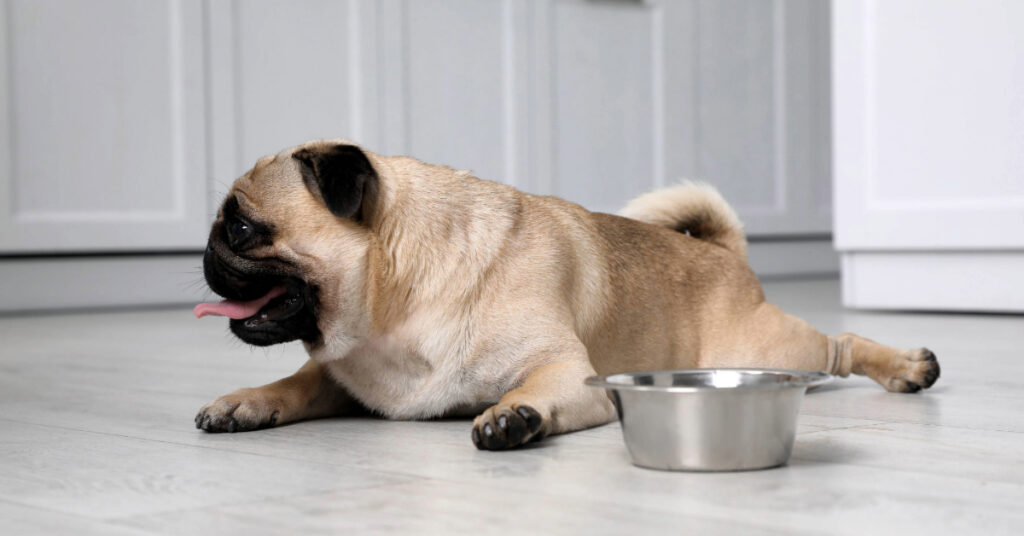
Dogs regulate their body temperature primarily through panting, which releases moisture from the respiratory system. On hot days or during intense exercise, dogs can lose significant amounts of fluid through panting alone. Hot and humid summers in Northern Virginia make this a real concern for pet owners in the Woodbridge area.
Underlying Medical Conditions
Certain health conditions make dogs much more susceptible to dehydration. These include kidney disease, diabetes, Addison’s disease, and cancer. If your dog is drinking water normally but still showing signs of dehydration, an underlying condition may be interfering with how the body retains and uses fluids. A thorough veterinary exam is essential in these cases.
Signs of Dehydration in Dogs
Recognizing dehydration symptoms in dogs early is the key to preventing serious complications. Dogs can’t tell you they’re thirsty, so knowing what to look for is your best tool. The signs of dog dehydration range from subtle early indicators to obvious symptoms of a more critical state.
- Loss of skin elasticity: Gently pinch the skin at the back of your dog’s neck. In a well-hydrated dog, the skin snaps back immediately. If your dog is dehydrated, the skin returns to normal slowly or stays tented.
- Dry or sticky gums: A healthy dog’s gums are moist and pink. Dehydrated dogs often have tacky, dry, or pale gums. Press on the gum and release and it should return to pink within two seconds.
- Sunken eyes: The eyes may appear dull and sunken into the sockets, which is a sign of significant fluid loss.
- Lethargy and weakness: A dehydrated dog may seem unusually tired, reluctant to move, or slow to respond.
- Loss of appetite: Dogs that are dehydrated often stop eating, which can worsen the problem.
- Reduced urination: If you notice your dog is urinating less frequently or producing very small amounts of urine, dehydration may be a factor.
- Panting excessively: While dogs pant normally to cool down, persistent or heavy panting outside of exercise or heat can signal dehydration.
Severe dog dehydration can cause rapid heart rate, collapse, and shock. If your dog shows severe symptoms, this is a veterinary emergency.
How Do Vets Diagnose Dog Dehydration?
At Minnieville Animal Hospital, diagnosing dehydration involves a physical examination combined with diagnostic testing. The physical exam assesses skin turgor (elasticity), gum moisture and color, and capillary refill time. To understand the underlying cause and degree of dehydration, our veterinarians typically recommend blood work and a urinalysis. These tests measure kidney function, electrolyte balance, and other important indicators that help guide the right treatment plan.
How Is Dog Dehydration Treated?
Treatment for dog dehydration depends on the severity of the condition and its underlying cause. Mild dehydration may be addressed with increased access to fresh water and careful monitoring. Moderate to severe dehydration almost always requires veterinary intervention.
Fluid Therapy
Intravenous (IV) or subcutaneous (under-the-skin) fluid therapy is the most effective treatment for moderate to severe dehydration in dogs. IV fluids rehydrate the body quickly and allow electrolytes to be carefully replaced. At Minnieville Animal Hospital, fluid therapy is provided under close veterinary supervision to ensure your dog is recovering safely.
Treating the Underlying Cause
Rehydration alone isn’t enough if something is causing the fluid loss. Whether the cause is vomiting, diarrhea, kidney disease, or heat stroke, addressing that condition is just as important as replacing lost fluids. Your veterinarian will develop a treatment plan that tackles both the dehydration itself and whatever triggered it.
When Should I Take My Dehydrated Dog to the Vet?
Any dog showing signs of dehydration should be evaluated by your veterinarian. You should contact Minnieville Animal Hospital right away if your dog:
- Has been vomiting or has diarrhea for more than 24 hours
- Is refusing water entirely
- Has sunken eyes or very tacky, pale gums
- Is too weak to stand or is collapsing
- Is a puppy, senior dog, or has a known health condition
- Has been exposed to excessive heat
Don’t wait to see if a dehydrated dog improves on its own. Dehydration can progress to organ failure and death faster than most pet owners realize.
How Much Water Should a Dog Drink Each Day?
A general guideline is that dogs need approximately one ounce of water per pound of body weight per day. So a 50-pound dog needs roughly 50 ounces (about six cups) of water daily. This amount increases with heat, exercise, illness, and a dry food diet. Wet food provides additional moisture, which counts toward a dog’s daily fluid intake.
If you notice your dog drinking significantly more or significantly less than usual without a clear reason (like extra exercise or a hot day), it’s worth mentioning to your veterinarian at your next visit.
How to Prevent Dehydration in Dogs
Preventing dog dehydration is mostly about building good daily habits and staying alert during high-risk situations like hot weather and illness. Here are the most effective strategies:
- Always provide fresh, clean water. Change it at least once daily and keep it in a location your dog can easily access.
- Use multiple water bowls in different areas of your home, especially in multi-level homes or multi-pet households.
- Bring water on outings. Any time you take your dog out for a walk, hike, or trip, bring enough water for both of you.
- Limit activity in the heat. Walk your dog in the early morning or evening during summer months to reduce heat exposure and panting-related fluid loss.
- Monitor sick dogs closely. If your dog is vomiting, has diarrhea, or is unwell for any reason, watch their hydration status carefully and contact your vet promptly.
- Schedule regular wellness exams. Routine checkups at Minnieville Animal Hospital help catch conditions like kidney disease and diabetes before they become crises.
Protecting Your Dog from the Dangers of Dehydration
Dog dehydration is preventable in most cases, and treatable when caught early. The more familiar you are with the signs of dehydration in dogs, the better positioned you are to act quickly. If you have any concerns about your dog’s hydration or overall health, our team at Minnieville Animal Hospital in Woodbridge, VA is here to help. Call us at (703) 680-4000 or book an appointment online to get the answers your dog deserves.