
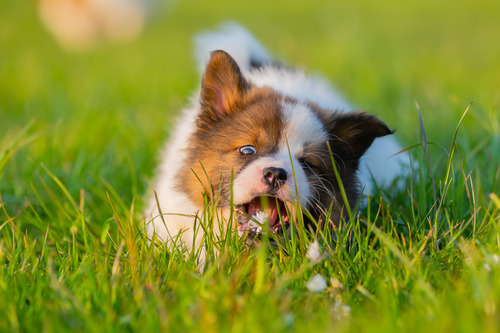
Many pet owners have asked themselves, “Why do dogs eat grass?” This behavior might seem odd, but it’s actually quite common and typically harmless. Dogs may eat grass for a variety of reasons: from instinctual habits and digestive regulation to boredom or nutritional needs. While the behavior itself isn’t unusual, understanding why dogs eat grass can help you better interpret your dog’s overall health and habits. If your dog frequently grazes on grass or shows changes in appetite or behavior, the team at Minnieville Animal Hospital in Woodbridge, VA can help. Call (703) 680-4000 or book an appointment online to discuss your dog’s health and behavior.
The Most Common Theories Behind Why Dogs Eat Grass
Dogs have been eating grass for thousands of years, and experts have proposed several theories about why dogs eat grass. While no single explanation fits every dog, these theories shed light on the most likely reasons behind this natural behavior.
Instinctive Behavior
One of the most common explanations for why dogs eat grass is that it’s an instinct passed down from their wild ancestors. Wild canines like wolves and foxes often consumed plant matter while eating prey, which helped aid digestion and supplement nutrients. Domestic dogs, though fed balanced diets, may still retain this ancestral urge to nibble on grass. Instinctive eating behaviors like this often occur without an underlying problem. Your dog may simply enjoy the texture or taste of grass, or it could be a way to connect with their natural foraging instincts.
Eating Grass May Aid Digestion
Some dogs eat grass when they feel discomfort in their stomach. Grass blades can help stimulate the stomach and intestines, encouraging digestion or helping to move material through the system. Although not every dog that eats grass vomits afterward, some do. This has led many to believe that dogs use grass as a natural way to soothe an upset stomach or help clear something irritating their digestive tract. It’s important to note, however, that not all dogs who eat grass feel ill and many appear perfectly healthy before and after eating it.
Could It Be Related to Nutritional Needs?
Even though high-quality commercial dog foods provide a complete balance of nutrients, some dogs might seek out grass to fill in perceived dietary gaps.
Dogs May Be Seeking Fiber
Fiber plays an important role in maintaining healthy digestion. If a dog’s diet is low in fiber, they might instinctively look for other sources, like grass. Grass contains roughage that can help promote bowel regularity and support overall digestive function. If your dog frequently eats grass and has irregular stools or digestive issues, it might indicate that their diet could use more fiber. Your veterinarian can recommend appropriate dietary adjustments to ensure your dog’s meals fully meet their nutritional needs.
Curiosity and Taste Preferences
Dogs explore the world through taste and smell. Some simply enjoy the flavor or texture of fresh grass. Just like some dogs have a preference for specific treats or food textures, others may find grass particularly appealing. Young dogs and puppies are especially known for testing their environment this way, which can include chewing on plants, sticks, or grass.
Behavioral Causes Behind Grass Eating
For some dogs, why dogs eat grass has less to do with biology and more to do with behavior. If your dog regularly snacks on grass during walks or while playing outside, it might be due to environmental or emotional factors.
Boredom or Attention-Seeking Behavior
Dogs are intelligent and curious animals that need regular physical and mental stimulation. If a dog is bored or under-stimulated, eating grass can become a self-soothing or attention-seeking behavior. Dogs quickly learn that certain actions like eating grass get their owner’s attention. Providing enrichment through playtime, walks, and puzzle toys can help redirect this behavior. Regular activity keeps your dog mentally engaged and reduces boredom-related grass eating.
Anxiety or Stress
Some dogs turn to repetitive or unusual behaviors, such as eating grass, when they feel anxious or stressed. This can happen after changes in routine, loud noises, or time alone. The act of grazing may serve as a calming mechanism. If your dog’s grass eating appears linked to stress, it’s worth observing when and where it occurs. Sharing these observations with your veterinarian can help identify whether stress management strategies or behavioral training might help.
When Eating Grass May Indicate a Health Issue
While grass eating is usually normal, there are times when it could be linked to an underlying health concern. If you’re wondering why dogs eat grass frequently or suddenly, it’s a good idea to take note of any other changes in behavior or appetite.
Gastrointestinal Issues
Frequent or obsessive grass eating may sometimes signal discomfort in the digestive tract. Conditions like gastritis or intestinal inflammation can cause nausea, prompting a dog to eat grass in an attempt to feel better.
Parasites or Illness
Internal parasites and other illnesses can also lead to unusual eating behaviors. Dogs with worms or other internal issues might seek out grass instinctively as part of their body’s reaction to irritation.
Other Symptoms to Watch For
Pay attention to additional signs that might indicate a medical problem, such as:
- Vomiting after eating grass
- Diarrhea or constipation
- Decreased appetite
- Lethargy or behavioral changes
If you notice any of these signs, contact your veterinarian for a physical exam and professional guidance. The team at Minnieville Animal Hospital can help determine if your dog’s grass eating is normal or linked to an underlying condition.
Potential Risks of Grass Eating
Even though dogs eating grass is usually harmless, there are a few potential risks to keep in mind.
Exposure to Chemicals
Grass treated with fertilizers, herbicides, or pesticides can be dangerous for dogs. These substances can irritate the digestive system or, in severe cases, cause toxicity. Always be mindful of where your dog grazes. Avoid recently treated lawns or public areas where chemicals might have been used.
Ingesting Foreign Materials
When dogs pull up grass, they may accidentally ingest sticks, debris, or small objects hidden in the lawn. These can irritate or even block parts of the digestive tract. Checking your yard for potential hazards helps reduce the risk of your dog swallowing something harmful.
Allergic Reactions or Skin Irritation
Some dogs experience mild irritation around their mouth or paws after coming into contact with certain grasses or weeds. If you notice itching, redness, or paw licking after outdoor play, mention it during your dog’s next veterinary visit.
Supporting Your Dog’s Health and Habits
Most of the time, eating grass is a normal part of canine behavior. However, if you find yourself frequently wondering why dogs eat grass and whether it’s healthy, it helps to discuss it with your veterinarian. They can assess your dog’s diet, lifestyle, and overall health to determine if any adjustments are needed. Your veterinarian might ask about your dog’s food brand, exercise routine, and how often they eat grass. These details help identify whether the behavior stems from curiosity, stress, or a potential digestive issue.
At Minnieville Animal Hospital in Woodbridge, VA, our team provides guidance on diet, behavior, and overall wellness to help your pet live a healthy, happy life. If your dog’s grass-eating habits concern you or if you’d like a professional opinion on your dog’s nutritional needs, call (703) 680-4000 or book an appointment online today.