
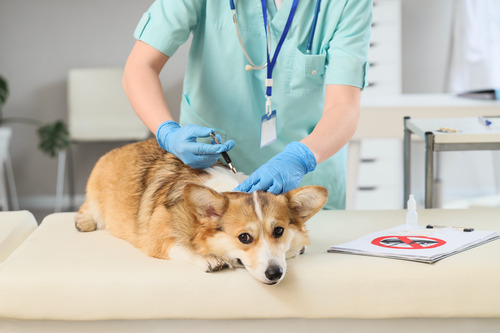
If you’ve spotted a tick on your dog, don’t panic. These tiny parasites are common, especially in warm, wooded, or grassy areas like those around Woodbridge, VA. The key is knowing how to act calmly and safely. So, how do you remove ticks from a dog? The best approach is to use a precise, careful method that minimizes the risk of infection or leaving parts of the tick behind. While tick encounters can feel alarming, understanding what to do and what not to do can make the process much easier for both you and your dog.
Why Ticks Are a Concern for Dogs
Ticks are more than just an unpleasant nuisance; they can carry diseases that affect both pets and humans. These parasites attach themselves to your dog’s skin and feed on blood, which allows them to transmit harmful pathogens. Common tick-borne illnesses seen in dogs include Lyme disease, ehrlichiosis, and anaplasmosis, which can cause serious health issues if not detected early.
Dogs that spend time outdoors, especially in wooded parks or grassy trails, are most at risk. In the Woodbridge area, ticks are often found in places like wooded neighborhoods, local hiking paths, and areas near water. Because of Virginia’s humid climate, ticks can stay active for much of the year, so prevention and early detection are vital.
How Do You Remove Ticks from a Dog Safely?
When you first notice a tick, it’s natural to feel anxious. However, knowing how to remove ticks from a dog correctly can protect your pet’s health. The process requires patience, precision, and calm handling. Here’s what pet owners should know about identifying and removing ticks effectively.
Identify the Tick
Before you begin, make sure what you’re seeing is indeed a tick. These pests are small, round, and flat before feeding but can become swollen once engorged with blood. They’re usually brown, black, or gray, and you’ll often find them around a dog’s head, ears, neck, or between their toes, areas with thinner skin and good blood flow. Ticks attach themselves firmly to the skin using their mouthparts. This is why careful removal is important; pulling too hard or using the wrong tools could leave part of the tick embedded, increasing the risk of irritation or infection.
Gather Your Tools
If you’re wondering how to remove ticks from a dog correctly, preparation matters. You’ll need a clean pair of fine-tipped tweezers or a specialized tick removal tool. Avoid using household items like matches, petroleum jelly, or essential oils, which can irritate the skin and may cause the tick to release harmful bacteria. Have gloves and disinfectant on hand to protect yourself and your dog. A small container or sealed plastic bag is also useful for storing the tick if you plan to show it to your veterinarian for identification.
Remove the Tick Carefully
Once you’re ready, part your dog’s fur to expose the tick. Using tweezers, grasp the tick as close to the skin’s surface as possible. Pull upward slowly and steadily without twisting or jerking. Quick motions can cause the tick’s mouthparts to break off under the skin. After removal, disinfect the bite area with mild antiseptic and wash your hands thoroughly. If you’re unsure whether the tick was fully removed or your dog shows signs of irritation afterward, contact Minnieville Animal Hospital at (703) 680-4000 for guidance.
After the Tick Is Removed
After learning how to remove ticks from a dog, it’s equally important to know what to do next. Post-removal care helps ensure your dog stays comfortable and prevents secondary issues.
Inspect the Bite Site
Check the area where the tick was attached for any redness, swelling, or signs of discomfort. Mild irritation is normal, but if you notice discharge, scabbing, or excessive licking, schedule an appointment with your veterinarian. Ticks can transmit bacteria even if they are attached for a short time. Monitoring your dog’s overall health in the days following removal is key to catching potential problems early.
Watch for Signs of Tick-Borne Illness
Ticks can carry diseases that affect your dog’s immune system and overall wellness. Keep an eye out for symptoms such as fatigue, loss of appetite, joint stiffness, or fever in the days or weeks after exposure. While these symptoms can have many causes, they may also indicate an infection. Your veterinarian can run diagnostic tests to determine whether your dog was exposed to a tick-borne illness. Early detection allows for quicker treatment and better outcomes.
How to Protect Your Dog from Future Tick Bites
Once you know how to remove ticks from a dog, prevention becomes your next priority. Reducing your dog’s exposure to ticks helps protect them year-round.
- Use Preventive Products: Protect your dog from ticks with parasite prevention. Veterinarians can recommend safe, effective tick prevention products tailored to your dog’s size, age, and health. Options include oral medications, topical treatments, and collars designed to repel or kill ticks before they can attach. Avoid over-the-counter or unverified products without professional guidance. Using the right prevention method ensures long-term protection and peace of mind.
- Check for Ticks Regularly: Even if your dog is on a prevention plan, it’s still wise to check them for ticks after outdoor activities. Focus on areas such as the ears, armpits, between the toes, and under the collar. Running your hands through your dog’s coat and feeling for small bumps can help you spot ticks before they’ve been attached for long. Quick detection greatly reduces the likelihood of disease transmission.
- Maintain a Tick-Free Environment: You can also reduce tick populations around your home. Keep the lawn trimmed, remove leaf litter, and discourage wildlife like deer or rodents that carry ticks. Creating a clean outdoor environment makes your yard less inviting to these parasites. Regular grooming appointments and vet checkups provide additional opportunities for professionals to spot and remove any ticks early.
When to Call Your Woodbridge Veterinarian
Knowing how to remove ticks from a dog is valuable, but professional evaluation is always the safest next step. You should call your veterinarian if:
- You’re unable to remove the tick completely.
- The bite area becomes red, swollen, or infected.
- Your dog appears lethargic or loses their appetite.
- You find multiple ticks or suspect a tick infestation.
Our team at Minnieville Animal Hospital can examine your dog and provide additional care, including tick-borne disease testing and customized prevention advice. Call (703) 680-4000 or book an appointment online to keep your dog protected.