
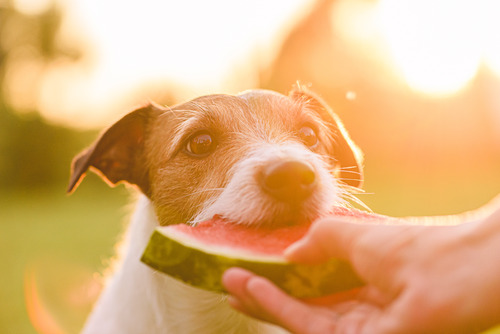
Dogs can eat watermelon, and many enjoy it as a refreshing, hydrating treat, especially on a hot summer day. However, it’s important to offer watermelon in moderation and prepare it safely before sharing it with your pet. The fruit’s red flesh is packed with vitamins and moisture that can support hydration, but the seeds and rind should be avoided. Understanding the right way to give watermelon to your dog helps keep snack time both fun and safe.
The Appeal of Watermelon for Dogs
Watermelon is a naturally sweet fruit that appeals to dogs for the same reasons it appeals to people: it’s juicy, refreshing, and satisfying. The high water content makes it especially popular during warm months when dogs may need extra hydration. Beyond taste, watermelon offers a range of nutrients that support overall wellness and provide a healthier alternative to processed treats.
Nutritional Value of Watermelon
Watermelon contains vitamins A, B6, and C, all of which contribute to your dog’s immune and cellular health. Vitamin A supports vision and skin, vitamin B6 aids in brain function, and vitamin C acts as an antioxidant that helps the body manage oxidative stress. The fruit’s water content (about 92%) can also help with hydration during outdoor activities or walks. In addition, watermelon is naturally low in calories and fat, making it a smart choice for dogs that may need to manage their weight. Unlike store-bought dog treats, which can be high in sugar or preservatives, plain watermelon provides sweetness without artificial ingredients.
Safe Ways to Share Watermelon with Your Dog
Before offering watermelon to your dog, it’s essential to prepare it properly. The way the fruit is served determines whether it’s a healthy treat or a potential choking hazard.
Remove the Seeds and Rind
Seeds, especially black ones, can pose a problem for dogs. Swallowing a few may not cause harm, but eating several at once can lead to intestinal blockage, particularly in small breeds. The rind is also difficult to digest and can lead to stomach upset or intestinal discomfort. Always remove both the seeds and the rind, and serve only small cubes or thin slices of the red flesh.
Offer Watermelon in Small Portions
Moderation is key when it comes to any treat, even a healthy one. Too much watermelon can cause stomach upset due to its fiber and natural sugars. A few small bites are enough to satisfy your dog without overwhelming their digestive system. For a small dog, a few cubes are plenty; for larger breeds, a few more pieces may be fine.
Serve Fresh, Plain Watermelon
Always serve plain watermelon without added flavoring, seasoning, or sweeteners. Some flavored or pre-cut varieties sold in stores may contain artificial ingredients or added sugar, which can cause problems for pets. Stick to fresh, raw fruit from your kitchen, and avoid canned or frozen options that include syrups or preservatives.
When to Avoid Giving Your Dog Watermelon
While watermelon is safe for most dogs, there are situations when it might not be the right snack.
Digestive Sensitivities
Dogs with sensitive stomachs may not handle watermelon well. The high water and fiber content can lead to loose stools or temporary digestive upset. If your dog tends to react poorly to new foods, introduce watermelon gradually to see how they respond.
Underlying Health Conditions
Some health issues such as diabetes require careful monitoring of sugar intake. Although watermelon’s natural sugar is less concentrated than refined sugar, it can still affect blood glucose levels. Always consider your dog’s unique health needs before introducing new snacks.
Allergies and Intolerances
Although rare, food allergies can occur in dogs. If you notice any unusual symptoms such as itching, swelling, or digestive distress after feeding watermelon, discontinue offering it and contact your veterinarian for guidance.
Fun and Safe Ways to Offer Watermelon
Watermelon can be served in several creative ways that make treat time enjoyable for your pet. Keep the preparation simple and dog-friendly to ensure every snack remains healthy.
Frozen Watermelon Treats
If your dog enjoys cold snacks, try freezing small cubes of watermelon. These frozen bites make great rewards on hot days and help cool your pet down after playtime. Just make sure the pieces are bite-sized and easy to chew.
Watermelon Puree
You can also blend watermelon flesh into a smooth puree and use it as a food topper. This adds variety to your dog’s meal while providing extra hydration. Always blend plain watermelon, do not use yogurt, milk, or additives.
Mix with Other Dog-Safe Fruits
Watermelon pairs well with other dog-safe fruits like blueberries, strawberries, or apples (without seeds). Combining them in small amounts can create a colorful, nutritious snack mix that appeals to your dog’s senses.
Signs That Your Dog Enjoys Watermelon
Most dogs enjoy watermelon right away, but it’s always helpful to pay attention to their reactions. Dogs that enjoy the taste will show excitement, wagging tails, or a quick return for more pieces. However, if your dog walks away from the fruit or shows disinterest, don’t worry. Just like people, dogs have individual preferences. It’s best not to force any food your dog doesn’t want, even if it’s healthy. You can also observe your dog’s digestion afterward. A happy, comfortable dog that continues to eat and play normally likely handled the fruit well.
Myths About Dogs and Watermelon
Several myths about feeding watermelon to dogs circulate online. Let’s address the most common ones so you can make informed choices.
Dogs Can Eat All Parts of the Watermelon
False. The rind and seeds can cause digestive issues or blockages. Always serve only the seedless, fleshy portion.
Watermelon Is a Complete Snack Replacement
False. Watermelon should never replace your dog’s regular meals. While nutritious, it doesn’t contain the protein, fat, or other nutrients dogs need for balanced health. Treat watermelon as a small, occasional reward rather than a dietary staple.
Watermelon Causes Weight Gain
False, when given in moderation. Because watermelon is low in calories and fat, it’s unlikely to contribute to weight gain. Overfeeding any treat, however, can lead to imbalances in calorie intake.
How Veterinarians View Watermelon for Dogs
Veterinarians generally consider watermelon a safe and healthy treat for most dogs when given correctly. Many recommend it as a hydrating, low-calorie snack alternative to processed treats. However, every pet has unique nutritional needs, and even healthy foods should be offered responsibly. If you have any concerns about your dog’s diet, your veterinarian can provide personalized guidance based on your dog’s size, weight, and medical history. They can also recommend safe portion sizes for treats like watermelon to maintain a healthy diet. Minnieville Animal Hospital in Woodbridge, VA, welcomes questions about pet nutrition and the best ways to reward your dog safely. The team can help you create a balanced feeding routine that supports your dog’s overall health and lifestyle.
A Refreshing Treat Dogs Can Enjoy
In moderation and when prepared properly, watermelon can be a safe and enjoyable treat for dogs. Its juicy texture and natural sweetness make it a fun addition to your pet’s occasional snack rotation. Just remember to remove seeds and rind, offer small portions, and observe your dog’s response the first few times they try it. If you have questions about your dog’s diet or want professional advice on safe treats, the team at Minnieville Animal Hospital is here to help. Call (703) 680-4000 or book an appointment online to discuss your dog’s nutritional needs and discover more healthy treat options for your companion.