Bad breath in dogs is not normal and it’s often a sign that something more serious is happening in your pet’s mouth or body. While a mild “doggy odor” can be harmless, persistent or foul-smelling breath usually points to dental disease, infection, or underlying health issues that need professional attention. This blog discusses what causes bad breath in dogs so you can better recognize when it’s time to schedule a checkup at Minnieville Animal Hospital in Woodbridge, VA.
The Real Reason Behind Bad Breath in Dogs
Many pet owners assume bad breath in dogs is just part of life with pets. However, consistent odor from your dog’s mouth usually means bacteria are thriving, especially under the gum line. Food particles, plaque, and tartar build-up provide the perfect environment for these bacteria to grow, which can lead to gum inflammation and periodontal disease. Left untreated, these bacteria can enter the bloodstream and affect other organs, including the heart, kidneys, and liver.
What starts as “just bad breath” can progress into a painful and potentially serious health problem. Regular dental exams and cleanings are key to preventing this progression and protecting your dog’s overall health. If your pet’s breath has become unpleasant or seems to worsen over time, it’s a good idea to call Minnieville Animal Hospital at (703) 680-4000 or book an appointment online with our team for a thorough oral health assessment.
Causes of Bad Breath in Dogs
Bad breath in dogs, or halitosis, can have several causes with some related to oral health and others to internal medical conditions.
Periodontal Disease
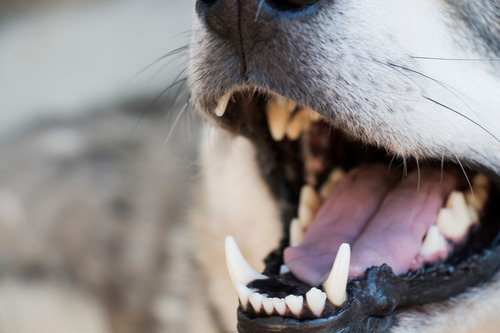
The most frequent cause of bad breath in dogs is periodontal disease, which develops when plaque hardens into tartar and bacteria start to attack the gums and bone supporting the teeth. You may notice symptoms like yellow or brown buildup on teeth, red or swollen gums, drooling, and difficulty eating. As periodontal disease progresses, it can lead to tooth loss and pain. Professional dental cleanings at Minnieville Animal Hospital can help remove plaque and tartar buildup that brushing at home cannot address.
Poor Oral Hygiene
Even with the best diet, a lack of regular dental care allows bacteria to accumulate in the mouth. Dogs need routine teeth brushing and professional cleanings just like humans do. Without proper care, that buildup quickly leads to odor and inflammation.
Dietary Factors
Sometimes, bad breath in dogs is linked to what they eat. Certain commercial diets or table scraps can cause temporary odor. In other cases, dogs that eat garbage, feces, or other inappropriate items may develop foul-smelling breath from bacterial contamination or digestive upset.
Systemic Health Conditions
Bad breath isn’t always about the mouth. Some medical conditions can cause similar odors:
- Kidney disease can make the breath smell like ammonia.
- Diabetes can cause a sweet or fruity odor.
- Liver disease may lead to extremely foul-smelling breath accompanied by vomiting or yellow gums.
When bad breath appears suddenly or comes with other symptoms, a veterinary exam is the safest way to pinpoint the cause.
Professional Diagnosis for Bad Breath in Dogs
When you bring your dog to Minnieville Animal Hospital for an exam, our veterinarians look beyond the smell itself to determine what’s going on.
Oral Examination
A thorough oral exam helps us detect visible signs of tartar buildup, gum inflammation, loose teeth, or oral masses. Sometimes, pets may need sedation for a more detailed assessment, especially if they’re uncomfortable or anxious.
Dental X-rays
Because most dental disease occurs below the gum line, dental X-rays are essential. They allow veterinarians to evaluate bone loss, root damage, and other hidden issues contributing to bad breath in dogs.
Laboratory Testing
If your veterinarian suspects systemic disease, they may recommend bloodwork or urine testing. These tests help rule out conditions such as kidney or liver disease that can also cause halitosis.
Treatment Options for Bad Breath in Dogs
Once your veterinarian identifies the cause of your dog’s bad breath, treatment through dog dental care at Minnieville Animal Hospital can begin.
Professional Dental Cleaning
A professional dental cleaning under anesthesia removes plaque and tartar from both above and below the gum line. The procedure also allows the team to polish the teeth, extract damaged ones if needed, and check for infection. Routine dental cleanings help eliminate odor and significantly reduce your pet’s risk of periodontal disease.
Addressing Underlying Health Problems
If a health condition is causing the bad breath, treating that disease often improves the odor. For example, stabilizing diabetes or managing kidney function can make a noticeable difference in your dog’s breath and overall wellness.
Home Care Recommendations
Your veterinarian may also recommend ongoing at-home care to support your dog’s oral health between cleanings. Regular brushing, dental chews, and specialized diets can all play a role in maintaining fresh breath and a healthy mouth.
How to Prevent Bad Breath in Dogs
Prevention is the most effective way to stop bad breath in dogs before it starts. By committing to consistent dental care, you can help your pet avoid oral pain, tooth loss, and more serious complications.
- Brush Your Dog’s Teeth Regularly: Use a dog-safe toothbrush and toothpaste (never human toothpaste) to clean your pet’s teeth daily or several times a week. Brushing helps remove food particles and prevent plaque buildup.
- Schedule Routine Dental Exams: Just like humans, dogs need professional dental care. Regular checkups at Minnieville Animal Hospital help detect early signs of dental disease, even before bad breath becomes noticeable.
- Offer Dental-Friendly Treats and Toys: Dental chews, water additives, and approved toys can help reduce plaque and tartar naturally. Always look for products approved by the Veterinary Oral Health Council (VOHC) for safety and effectiveness.
- Maintain a Balanced Diet: Feeding a nutritious, high-quality diet supports your dog’s oral and overall health. Avoid feeding table scraps or letting your dog eat things they shouldn’t, as this can lead to digestive problems and unpleasant breath.
When to Schedule a Dental Checkup
If you notice any of the following signs along with bad breath, it’s time to schedule a veterinary visit:
- Reluctance to eat or chew
- Dropping food while eating
- Pawing at the mouth
- Excessive drooling
- Swollen, bleeding, or receding gums
- Loose or missing teeth
These symptoms indicate that bacteria and tartar have already begun damaging the gums and teeth. Prompt attention from your veterinarian can prevent the condition from worsening and restore your pet’s comfort.
Why Professional Dental Care Matters
Professional dental care does more than improve your dog’s breath. It protects their health and quality of life. Chronic dental infections can spread bacteria to vital organs, contributing to serious illness over time. Routine dental cleanings, combined with regular at-home care, keep your pet’s teeth and gums healthy, reduce pain, and extend their lifespan. By addressing bad breath early, you’re also preventing future complications that could require more extensive treatment. At Minnieville Animal Hospital, we provide advanced dental care and diagnostics to ensure your pet receives the attention they need. Our team understands how much you care about your dog’s comfort and wellbeing, and we’re here to help them live their happiest, healthiest life.
Fresh Breath Starts with Veterinary Dental Care
If you’ve noticed persistent bad breath in your dog, it’s time to take action. Odor from the mouth is usually your dog’s way of telling you something isn’t right. Schedule a dental checkup at Minnieville Animal Hospital in Woodbridge, VA, to address the issue and keep your pet feeling their best. Call (703) 680-4000 or book an appointment online today to schedule your dog’s dental evaluation and give them the fresh, healthy smile they deserve.