
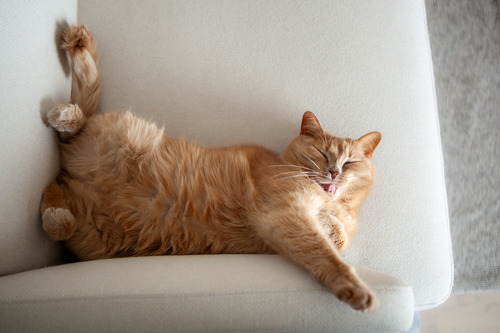
Cats are meticulous groomers, but those self-care sessions can sometimes lead to an unpleasant surprise: hairballs. If you’ve ever heard your cat hacking and then found a clump of fur on the floor, you know how concerning it can be. While cat hairballs are common, frequent or difficult ones may signal something more than just normal grooming. Understanding why hairballs form, what they mean for your cat’s health, and how to help prevent them can make life easier for both you and your feline. Let’s explore what’s behind these pesky clumps and how you can help your cat stay comfortable and hairball-free.
What Causes Hairballs in Cats?
Every cat grooms by licking their fur, but the way their tongue is designed makes hair ingestion unavoidable. Tiny, hook-like structures on the tongue catch loose fur, which the cat swallows while cleaning. In most cases, that hair moves smoothly through the intestines. Problems occur when excess fur builds up and becomes compacted in the stomach, forming a cat hairball that must be expelled.
Common Contributing Factors
Several reasons can increase the frequency of hairballs:
- Long or thick coats: Breeds like Persians and Maine Coons are more prone to hairballs due to their dense fur.
- Excessive grooming: Cats that lick themselves excessively often due to allergies, anxiety, or skin irritation ingest more hair.
- Seasonal shedding: Cats shed heavily in spring and fall, leading to more swallowed fur.
- Age: Older cats tend to groom more and may develop slower digestion, making it harder for hair to pass naturally.
Recognizing Symptoms of Hairballs in Cats
Although most hairballs are expelled without trouble, they can occasionally cause discomfort or indicate an underlying issue. Knowing what to look for helps you respond appropriately and discuss concerns with your veterinarian at Minnieville Animal Hospital in Woodbridge, VA.
Common Symptoms
- Coughing, gagging, or retching: The most recognizable sign of a cat hairball is when your cat appears to be hacking something up.
- Vomiting hair or bile: You may find a tubular clump of fur on the floor afterward.
- Loss of appetite: Hair buildup in the stomach can reduce your cat’s desire to eat.
- Lethargy: A cat that seems unusually tired or disinterested may be feeling unwell.
- Constipation: If hair accumulates in the intestines, it can cause digestive discomfort.
If your cat repeatedly attempts to vomit but produces nothing, or seems unwell, it’s time to contact your veterinarian. A large or lodged hairball can block the digestive tract, which requires professional care.
Why Cats Are More Likely to Get Hairballs as They Age
Kittens usually don’t develop hairballs because they haven’t perfected their grooming habits yet. As cats mature, their grooming sessions become longer and more thorough. Senior cats, meanwhile, often have slower digestion and may be less active, making it harder for ingested hair to pass through their system. Additionally, older cats with arthritis may over-groom certain areas due to stiffness or discomfort. This can increase the amount of hair swallowed, raising the risk of recurring cat hairballs.
How Veterinarians Address Cat Hairballs
Your veterinarian may recommend various strategies to help manage or prevent hairballs, depending on your cat’s grooming habits, diet, and overall health. Routine exams help ensure that your cat’s digestive system is functioning properly and that hairballs are not a sign of something more serious.
Diagnostic Steps
To rule out blockages or other conditions, your veterinarian may:
- Conduct a physical exam to feel for abdominal discomfort.
- Order X-rays or ultrasound to check for internal obstructions.
- Discuss your cat’s grooming habits, nutrition, and litter box activity.
Professional Recommendations
Your veterinarian might suggest changes in diet or grooming routines to help reduce shedding and improve digestion. If your cat produces hairballs frequently, professional grooming services or specialized nutrition plans can help manage the issue.
Reducing Cat Hairballs at Home
You can help minimize cat hairballs through consistent grooming, proper nutrition, and a few lifestyle adjustments. These small, regular actions can make a significant difference.
Regular Brushing
Brushing your cat removes loose fur before it’s swallowed. Long-haired cats may need daily brushing, while short-haired cats benefit from a few sessions per week. Many cats enjoy the process once they get used to it and it can even become a bonding activity.
Nutrition and Hydration
A high-quality diet rich in fiber can support digestion and reduce hair buildup. Some commercial cat foods are designed to minimize shedding and promote hair passage. Always provide plenty of fresh water to aid in digestion and help the stomach process any hair your cat swallows.
Reducing Excessive Grooming
If your cat over-grooms due to boredom or anxiety, provide mental stimulation through play and enrichment. Cat trees, puzzle feeders, and regular interaction can reduce stress and distract from constant licking.
Seasonal Considerations for Cat Hairballs
When the weather changes, cats shed heavily to adjust their coats. This seasonal shedding can lead to a temporary increase in cat hairballs. During these times, step up your grooming efforts and monitor your cat’s behavior. A few extra brushing sessions each week can drastically reduce the amount of loose hair your cat swallows.
When Hairballs Could Indicate Something More Serious
Most hairballs are harmless, but recurring or difficult-to-pass hairballs may signal an underlying issue. It’s important to stay alert to any changes in your cat’s behavior.
Possible Complications
- Intestinal blockages: If a large hairball moves into the intestines and gets stuck, it can cause a blockage that may require medical attention.
- Digestive inflammation: Frequent vomiting can irritate the stomach or esophagus.
- Underlying illness: Conditions such as inflammatory bowel disease or skin allergies can increase hairball frequency.
If your cat exhibits persistent vomiting, loss of appetite, or signs of pain, reach out to our team at Minnieville Animal Hospital. We can assess whether a cat hairball is the cause or if another health concern needs to be addressed.
The Importance of Routine Veterinary Visits
Regular checkups are vital for monitoring your cat’s digestive and skin health. During these visits, veterinarians can identify excessive shedding, skin irritation, or weight changes that may contribute to frequent hairballs. Preventive care, including dietary discussions and grooming guidance, helps reduce risk and keeps your cat feeling their best. Even if hairballs seem like a minor issue, discussing them during your cat’s wellness exam ensures that small symptoms don’t point to larger health problems.
Supporting Your Cat’s Comfort and Well-Being
Managing cat hairballs comes down to balance: proper grooming, the right nutrition, and regular veterinary visits. While an occasional hairball is normal, frequent or difficult ones deserve attention. By maintaining a consistent care routine and working with your veterinarian, you can help your cat live more comfortably and reduce those unpleasant surprises around the house.
If you notice your cat struggling with frequent hairballs, schedule an appointment with Minnieville Animal Hospital in Woodbridge, VA. Call (703) 680-4000 or book online to discuss your cat’s health and learn more about ways to minimize hairballs through professional care and preventive strategies.